
All about Greenwashing
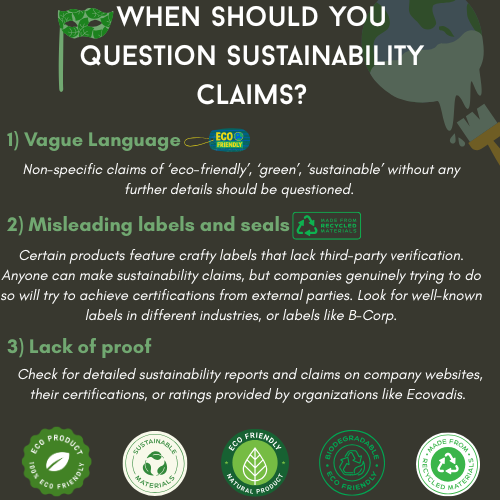
Consumers and investors have been prioritising more sustainable and eco-friendly products. This change in consumer trends has been widely taken advantage of where corporates label their products as 'eco-friendly', 'made with sustainable materials', 'made with recycled materials', while the reality is far from the actual sustainability and ESG picture. This trend and rise in creating awareness has caused regulators to become more stringent with product labelling and marketing. The importance of this topic is to ensure consumers and investors aren't being taken advantage of and misled into believing that their consumption habits or investing activities aren't actually causing any harm.
Greenwashing involves ESG or sustainability-related statements or claims made by companies or institutions that intentionally or unintentionally mislead consumers and investors.
Let's look at some Greenwashing examples. Some of these examples occurred in the past, and do not claim that the following companies are still following greenwashing techniques. They are mistakes to learn from.
1) Volkswagen Dieselgate Greenwashing Scandal - an intentionally misleading claim over a decade ago is still one of the most widely used examples of the consequences of greenwashing. In a nutshell, VW installed software to cheat emissions readings while claiming positive environmental performance. Explore more at: https://business.columbia.edu/insights/chazen-global-insights/vw-scandal-just-tip-greenwashing-iceberg
2) Nestlé's multitude of greenwashing scandals - recently sued in Poland for greenwashing claims on their water bottles, ClientEarth's exposé on Nestlé's claims of selling '100% recycled plastic' are misleading as they don't include cap and label, and still encourage the use of single-use plastic. Another article from BBC has similarly exposed 'recycled' claims by Nestlé and its competitors, read more on: https://www.bbc.com/news/business-67343893
3) McDonald's: The paper straw scandal - not a stranger to greenwashing claims, McDonald's claimed their straws were eco-friendly but posed no ability to be recycled and were directed to be thrown in general waste doomed for landfills. Read more: https://www.bbc.com/news/business-49234054
More examples on: https://www.greenality.de/magazin/greenwashing
There are many reasons why greenwashing occurs, noted by DNV as:
Lack of information across the value chain.
Lack of transparency and disclosure leading to cherry-picking attractive information or making false claims.
Lack of accountability and responsibility taken.
Lack of incentives.
Lack of clear expectations and standards.
Ultimately, all these reasons bundle up to governance. Why ESG policies in relation to Greenwashing matters is because corporate governance is a system that bundles up a companies values into a package and reflects that onto their business operations. Where profits thwart all other environmental and social values, greenwashing is more likely to be prominent.
Companies all answer to investors, and whether they share a short-term profit-first outlook or a long-term perspective makes a difference. Take the example of ex-CEO of Danone, Emmanuel Faber, who was ousted by shareholders because he put sustainability initiatives in the forefront and encouraging a long-term outlook for returns. Read more on: https://time.com/6121684/emmanuel-faber-danone-interview/
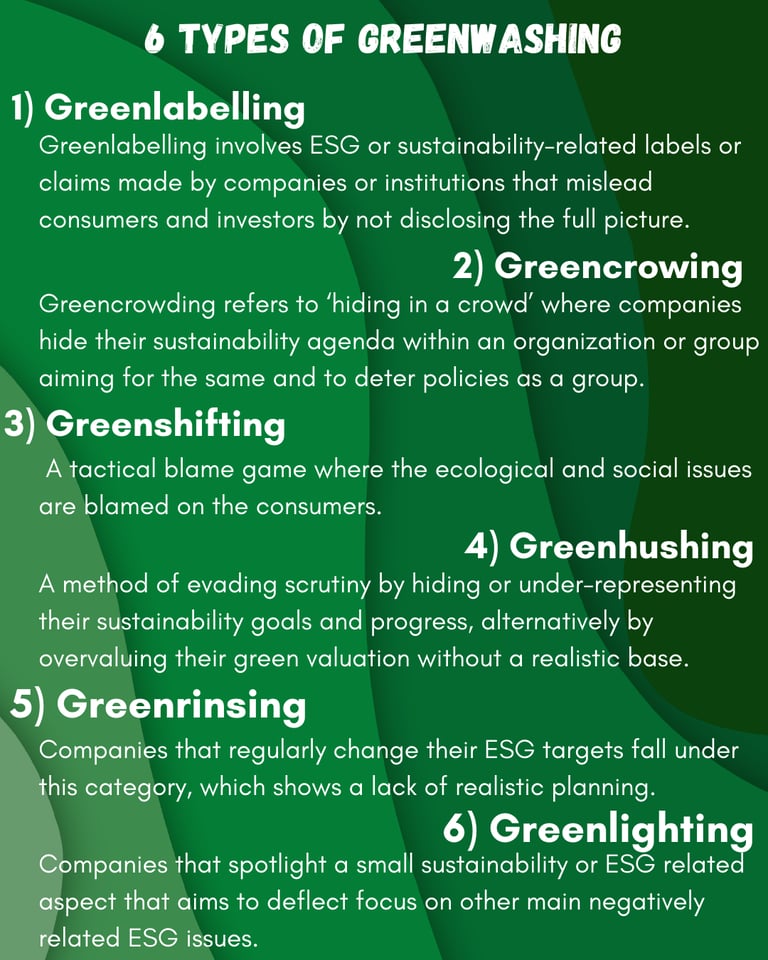
Source: The 'Greenwashing Hydra' as called by Planet Tracker. Read more on: https://planet-tracker.org/the-greenwashing-hydra/
Last updated on 4th December 2025
Disclosure
This website does not send email alerts, newsletters, or unsolicited subscription requests. All contact is initiated through the contact form, which enables direct communication via personal email for those who wish to engage further.
All users are encouraged to read our Terms and Conditions