
ESG in the Construction Industry
Construction is a crucial area of sustainable development for city planning, social development, and climate change resilience. Global construction accounts for around 34% GHG emissions and 32% of energy consumption (UNEP 2025). The industry is critical across every existing societal and social setting, which makes it all the more the core of sustainable city and community planning. Areas of green building, waste management, toxic materials, safe working conditions, material traceability, circularity, land use, and biodiversity are pertinent to sustainable development.
Carbon emissions in the construction industry are separated into different segments:
1) Embodied Carbon: Emissions that lead up to the construction stage. This involves materials emissions from mining, manufacturing, and transporting materials such as concrete, steel, timber, bricks, glass, and others.
2) Operational Carbon: Building emissions during its use from heating, cooling, and other energy needs.
3) Biogenic Carbon: atmospheric carbon absorbed by organic building material, e.g. wood, hemp.
ENVIRONMENTAL CONSIDERATIONS
Waste - Construction and demolition waste is a significant part of the environmental effects of the construction industry. According to the European Commission, construction and demolition waste (CDW) accounts for more than a third of all waste generated in the EU. Every municipality has different regulatory requirements for recyclability and circularity. For example, in Germany, 87% of excavated material and 70% of construction waste are recovered (as per waste directive targets).
Biodiversity and Land Use - Naturally, preserving biodiversity, natural ecosystems, and indigenous land is of utmost importance. Preservation and co-existence are topics of high value. Land use is an important conversation as it explores whether developers are contracting on undeveloped or untouched land (Greenfield development), or whether they construct on existing land that was previously occupied and subsequently abandoned on sold (brownfield development). For example, Central Platte Campus in Denver (USA) was a contaminated chemical manufacturing site that was taken over by the city to clean up and revitalise into different infrastructure and an animal shelter.
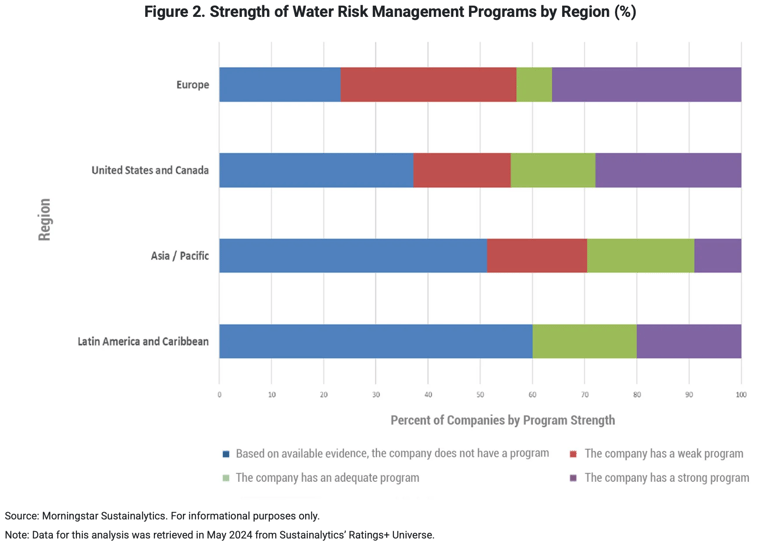
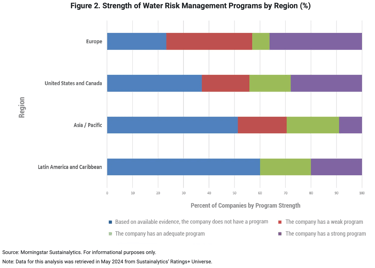
Water stress - Water stress is an overwhelming topic of interest considering the growing rate of AI infrastructure, construction halts due to water shortage, stormwater management, lack of water related risk assessment, and effective water management needs for construction supply chain materials such as concrete. According to the World Green Building Council, water companies in England and Wales lost more than 1 trillion litres via leaky pipes in 2021 (WGBC, 2023). Regulations around responsible water consumption and water risk assessment platforms are a significant step ahead, for example, the WWF water risk filter.
Toxic compounds (e.g. Volatile organic compounds (VOC)) - materials and products used in construction can contaminate air, soil and water. For example, certain varnishes or paints can pollute indoor air. Regulations and certifications (e.g. Blue Angel) on safe products are of high consideration.
Renewable Energy - considerations for energy usage comes in two forms: one during construction and one that determines the energy use of the building throughout its occupancy. Changes to constructing can be done on-site by switching diesel-powered machinery and equipment to electric machinery and equipment, battery energy storage systems, or hydrogen generators. As for the building itself during occupancy, solar panels or solar energy in the form of building integrated photovoltaics (BIPV), or solar glass are evolving technologies.
SOCIAL CONSIDERATIONS
GOVERNANCE CONSIDERATIONS


Labor rights - Sub-contracting chains need much due diligence and transparency to ensure no forced labor or slavery is present in the supply chain. A guide published on modern slavery by the UK Government provides comprehensive details on performing thorough checks and identifying signs of possible trafficked laborers or forced labor.
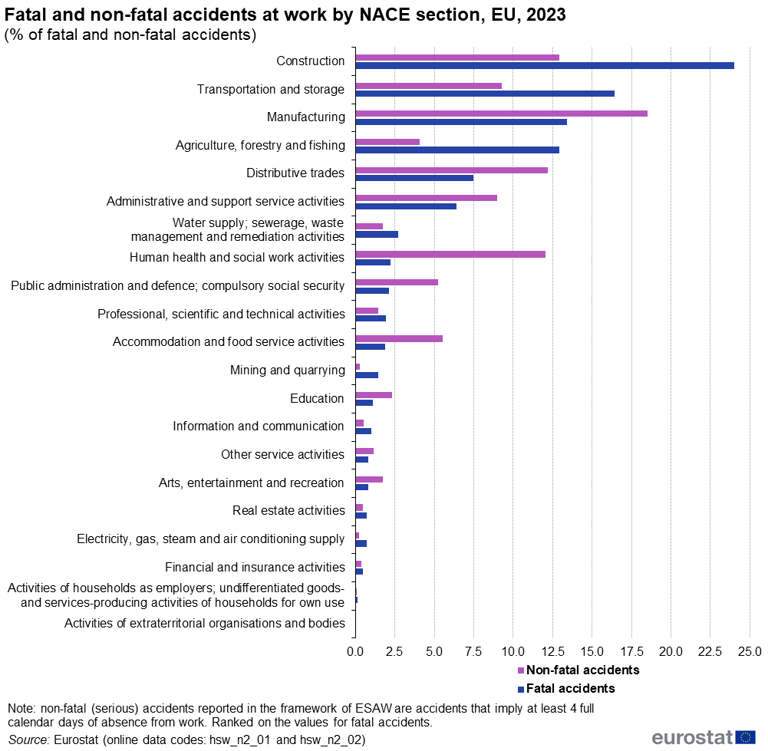
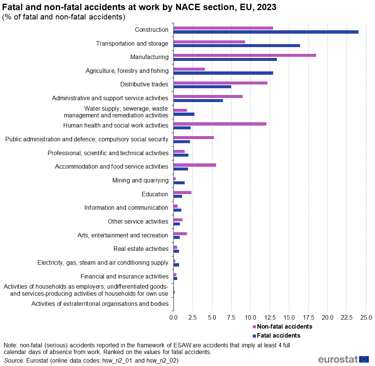
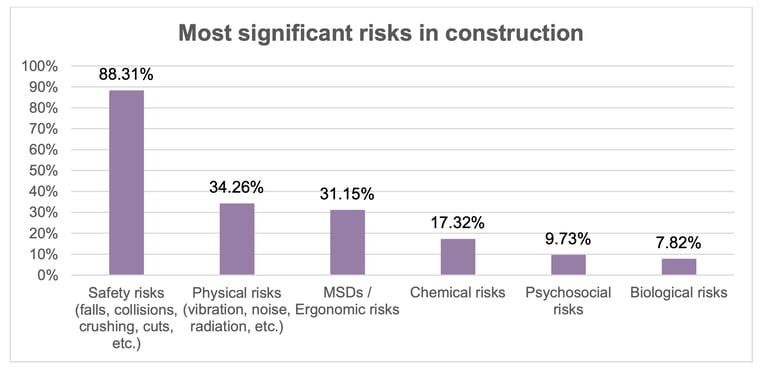
Safety conditions - Construction and mining involve hazardous operations. Worker safety regarding hazard identification and assessment, safety measures, prevention, and control are part of social and governance measures to be considered along the supply chain. Zero-harm policies are part of ESG KPIs.
Community impact - involves supporting local initiatives, affordability and accessibility for all abled and disabled, enhancing public areas, green spaces, thoughtful planning and transparent engagement, respecting heritage and indigenous land, and supporting socio-economic development.
Regulations and Requirements - ESG regulations are the norm. The multitude of guidelines, standards, and certifications varies geographically. EU's reporting is becoming more stringent on assessment of double materiality, circularity, materials guidelines (Construction Products Regulation (EU) 2024/3110), energy performance on building directive (EPBD), water reporting, digital product passport, and has developed the Level(s) framework. LCA (Life Cycle Analysis) in the construction industry is best guided by EN 15978 and EN 15804+A2 for EPD (Environmental Product Declaration).
Certifications - The demanding need for certification to prove value and gain investors is growing. Certifications include BREEAM (UK and EU), DGNB (Germany), LEED (USA), and HQE (France).
Health and well-being - combining aspects of nature in sustainable construction (biophilic architecture) in a way that mimics and encourages natural ecosystems for well-being. Biophilic design and WELL building standards add measurable health outcomes (air quality, daylight, thermal comfort) that align social and environmental goals.
Updated on 27th January 2026
CIRCULARITY ASPECTS
Building as Material Banks (BAMB) - The circularity model for the construction industry examines an existing structure as a 'Material Bank', suggesting reuse of material after the imminent demise or disuse of the structure.
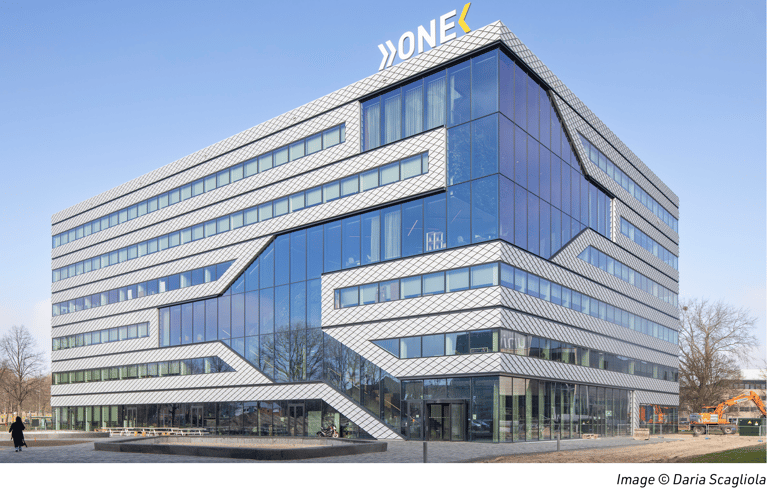
Design for Disassembly (DfD) - this method ensures that building or structural components can be taken apart, recovered, and reused at the end of their lives. For example, the MatrixONE building in Amsterdam is certified BREEAM Excellent. Their floors are prefabricated concrete slabs with no fixed connections, allowing them to be detached. 90% of their materials can be reused later.
GREEN BUILDING TRENDS AND INSIGHTS
Green Steel - this involves using renewable energy to generate hydrogen for steel production, resulting in lower carbon emissions. Example Swedish company Stegra is expected to spearhead this large scale production plant, replacing fossil fuels with renewable energy and hydrogen to counter the 7% of CO2 emissions the steel industry currently contributes to global emissions.
Hempcrete & hemp-based construction products - a budding environmentally-friendly alternative to concrete. Cement accounts for around 8% of global CO2 emissions. Hempcrete is made from hemp hurds, water, and a lime-based binder to create blocks that absorb CO2, do not release toxic compounds, provide insulation, and have long-term durability. USA-based company Hempitecture provide multiple construction products derived from hemp, including hempcrete, hempfiber pads (carpets), and others like hempwool, which is a USDA-certified bio-based product.
SOURCES
United Nations Environment Programme (2025). Global Status Report for Buildings and Construction 2024/2025: Not just another brick in the wall - The solutions exist. Scaling them will build on progress and cut emissions fast. Paris. https://wedocs.unep.org/20.500.11822/47214
https://environment.ec.europa.eu/topics/waste-and-recycling/construction-and-demolition-waste_en
https://kb.breeam.com/knowledgebase/greenfield-brownfield-site-definition/
World Green Building Council (2023). Building a water-resilient future for everyone, everywhere. https://worldgbc.org/wp-content/uploads/2023/11/C23.9497-WGBC-Water-Guide-2023_AW_V8_Spreads.pdf
https://www.blauer-engel.de/en/productworld/varnishes-and-woodstains
https://oshwiki.osha.europa.eu/en/themes/construction-safety-risks-and-prevention
https://green-forum.ec.europa.eu/green-business/levels_en
https://ecochain.com/blog/construction-products-regulation/
https://cinea.ec.europa.eu/featured-projects/stegra-welcoming-new-era-green-steel-production_en
https://nationalhempassociation.org/hemp-hurds-the-inside-story/
https://sustainabilityaward.org/hempcrete-the-future-of-sustainable-construction/
https://www.mvrdv.com/news/4393/matrix-one-demountable-office-laboratory
https://greenly.earth/en-gb/blog/industries/our-guide-to-building-materials
https://www.ube.ac.uk/whats-happening/articles/biophilia-examples-built-environment/
Disclosure
This website does not send email alerts, newsletters, or unsolicited subscription requests. All contact is initiated through the contact form, which enables direct communication via personal email for those who wish to engage further.
All users are encouraged to read our Terms and Conditions