
Digital Product Passport (DPP) Guide
EU's DPP is a significant step to helping consumers make better informed decisions on their purchasing choices, and recyclers in the further processing of materials and products. DPP is one of the EU's measures in support of their circular economy ambition. It is a requirement under the Ecodesign for Sustainable Products Regulation (ESPR) for certain industries (to begin with Batteries in 2027 and regulations to be decided as per the images indicate) to present transparency of their products in terms of product features, ecological impact through Life Cycle Analysis (LCA), carbon footprint, and circularity or recyclability aspects. It encourages manufacturers and producers to make their products more durable, repairable, upgradeable, and recyclable. A product will have a unique identifier that provides access to the DPP's electronic data.
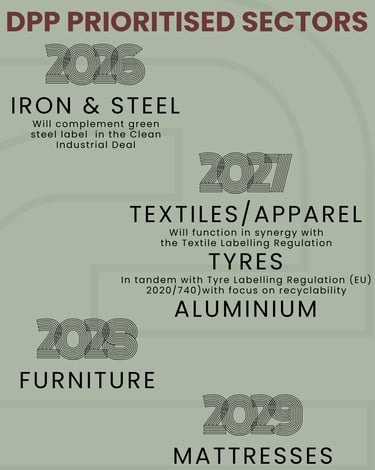
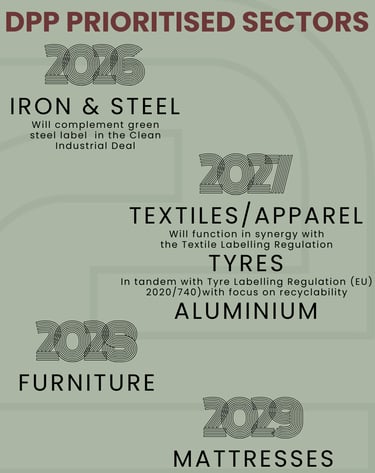
What does the DPP detail?
A company needs to be prepared to provide in-depth and accurate analysis of their products, and these details are sector-dependant. The following list and examples provide clarity. Other areas will eventually be provided as regulations are published.
1) General Product Details, Manufacturing Details, and Material details: This includes item weight, material composition, use of recycled materials, production facility location, and other technical specs. For example, for battery, it would include details on capacity, cell chemistry, etc.
2) The ESG aspects: This includes supply chain data and traceability, and details on where raw materials came from, and the necessary supplier checks performed, product LCA to determine carbon footprint, and other measures include supply chain audit for social welfare like child labor, poor working conditions, and forced labor. From the governance perspective, acquiring data proof, data validation, an overview of the number of companies worked with at different supply chain levels, and verified reports would be needed.
3) Intermittency and end-of-life: Details of ownership data (current/past owners) and service history. How durable is the product? What aspects of the product can be recycled, reused, repaired, and upgraded? Is the product cradle-to-grave or cradle-to-cradle? These must have instructions for end users.
Once DPP is prepared and ready to go live, companies can decide what is feasible for different users, for example, to use a QR code or RFID/NFC.
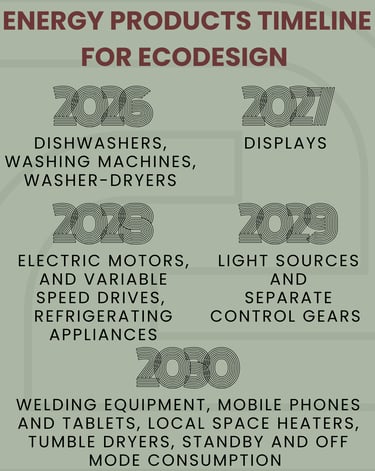
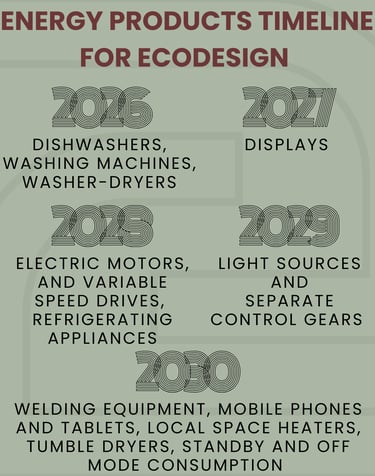
Published on 8th December 2025
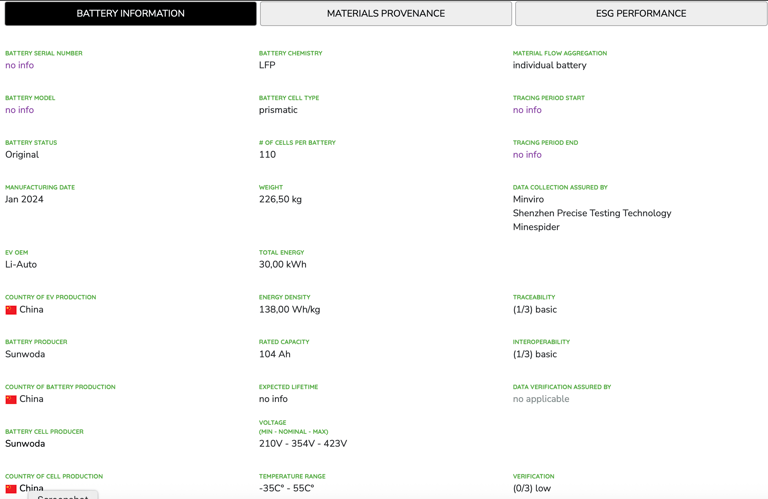
Source: Global Battery Alliance (GBA) Battery Pilot Data https://www.globalbattery.org/battery-passport-mvp-pilots/
Data needed for DPP
Constructing DPP is data-intensive. It requires internal data and external data. Internal data is accessed through cross-departmental collaboration and software(s) used by the company to collate data. This includes LCA analyses, data from Enterprise Resource Planning (ERP) Systems like SAP S/4HANA, and data from Product Lifecycle Management (PLM) like SiGREEN, all pulled into a DPP software or service provider like Circulor.
External data from the supply chain involves requesting data from external sources and may require a detailed questionnaire or a digital format for requesting information and supporting documents because not only do you need data from your direct sources, like direct suppliers, but also from along the value chain to the source of the raw material, which a company may not have direct contact with. There are three ways to attain this data; i) For companies with limited resources they could use spreadsheets and questionnaires to send to their direct suppliers and ask their suppliers to attain the same information from their suppliers (a sort of cascade effect) - this is not only very time consuming but highly inefficient due to the time delays and resources it takes to verify the information, ii) Centralised data system like supplier portals for them to feed in necessary details, for example, Assent's software, and iii) Use of a Collaborative data ecosystem like Catena-X.
Source: European Commission's Ecodesign for Sustainable Products and Energy Labelling Working Plan 2025-2030
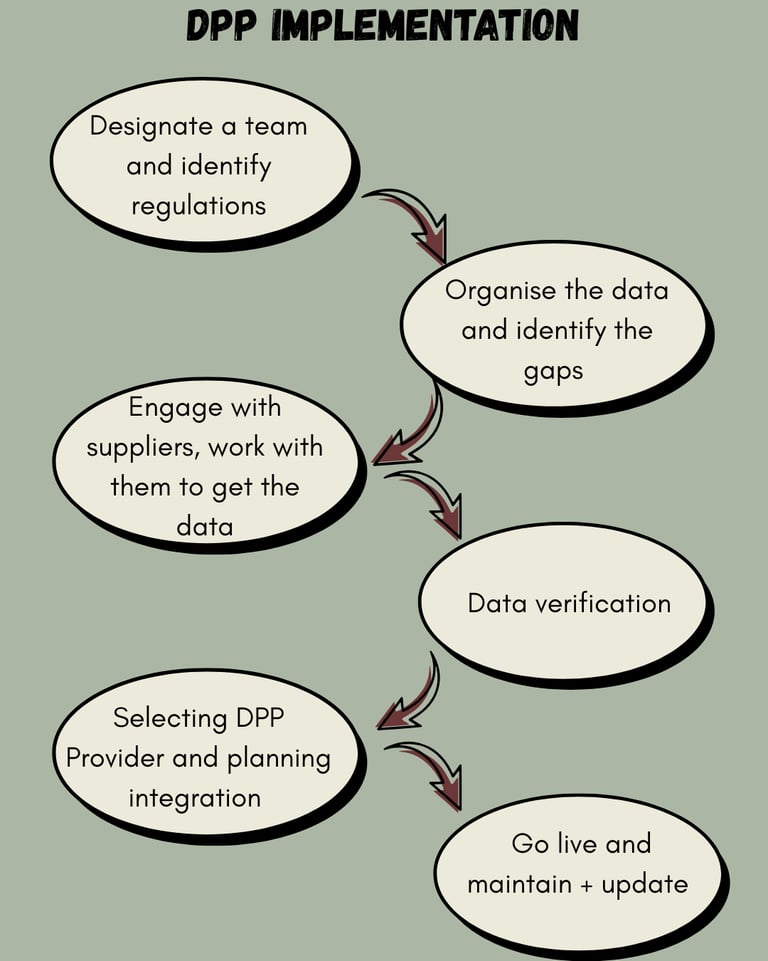
Sources:
https://renoon.com/blog/what-data-to-collect-for-digital-product-passports-a-complete-guide
https://cirpassproject.eu/wp-content/uploads/2024/04/CIRPASS_D2.2_DPP_UseCases_Report_v2.0.pdf
https://www.dppbuilder.com/guides/prepare-product-data
https://www.bluestonepim.com/blog/essential-checklist-for-eu-compliance
Read more on: https://www.dppbuilder.com/guides/prepare-product-data
Looking for consultation on DPP planning and advice on providers? Contact us now for free Consultation.
Disclosure
This website does not send email alerts, newsletters, or unsolicited subscription requests. All contact is initiated through the contact form, which enables direct communication via personal email for those who wish to engage further.
All users are encouraged to read our Terms and Conditions